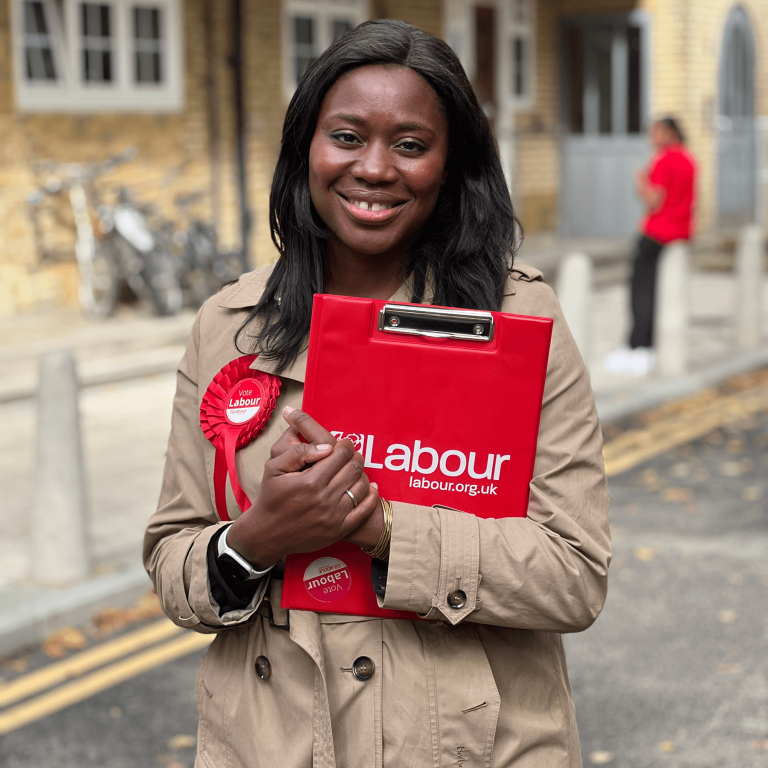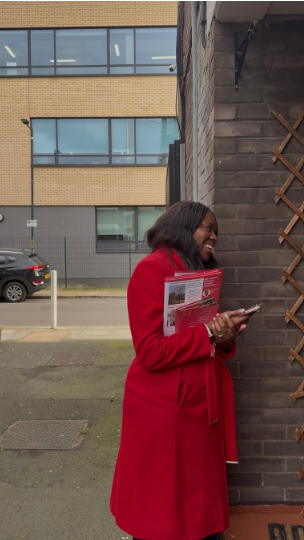
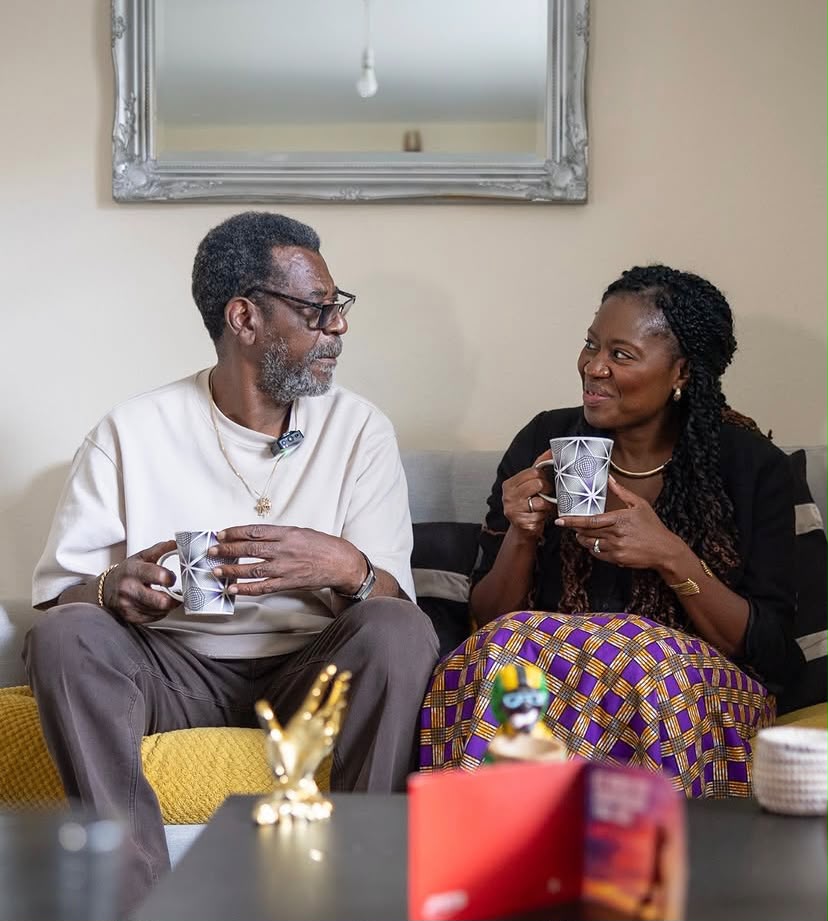
A few weeks ago, during a knock and listen session, I was talking to a constituent about the cost of living.
We weren’t discussing front page headlines or government policy. We were talking about the ordinary things that stack up a household budget, the electricity bill, the weekly shop, the cost of getting to work. The small payments that seem less significant on their own but always contribute to monetary anxieties at the end of the month.
That conversation stayed with me.
Because when politicians talk about making people better off, we can sometimes get caught up in big numbers: billions of pounds, thousands of homes.
But for most people, affordability is experienced much more simply.
It is whether there is enough left in your account when the bills have gone out. Whether you can afford to make a journey across London. Whether the local pub is still open. Whether your children have a secure home.
That is why I think the early decisions of this Labour government matter.
In just one month, we have started to act on some of the pressures that people face every day. None of these measures will solve the cost-of-living pressures facing families on their own. But together, they point to a different approach to government: one that recognises that making people better off is not only about wages and employment, but also about reducing unavoidable costs and making sure people have greater security in their everyday lives.
Take energy bills.
From October, the Government will scrap the 5 per cent VAT rate on household electricity for six months, through to March 2027. The average household is expected to save around £45. That won’t transform a family’s finances, but when people are watching every pound, it can still matter – and that is an important principle.The Government cannot remove every pressure from household budgets, but it can make some of those unavoidable costs a little easier to manage.The same thinking applies beyond the household bills themselves.
One of the things that makes Peckham such a brilliant place to live is that so much of life happens outside our homes. Our independent shops, pubs, restaurants, music venues and high streets are not simply places where people spend money. They are community spaces where people can connect and step away from everyday anxieties.
That is why I welcome the Government’s plans to reduce business rates for pubs, clubs and most live music venues by 20 per cent from April 2027, with the average pub expected to save around £1,100 a year.
For independent businesses, that saving could make a meaningful difference. But the value of these places extends far beyond the balance sheet. Their continued survival matters to the wider community as well.
A pub, local shop or social club can be much more than a business. They are places where people connect, where familiar faces are always close by, and where lasting memories are made. A thriving local economy is about more than economic indicators or statistics. It is about preserving the places that give a neighbourhood its character, identity and sense of belonging.
That is also why I want our high streets to have a stronger local voice. The Government will give councils greater powers to shape the mix of businesses operating in their town centres, helping to ensure that local priorities are reflected in local decision-making.
Our high streets should serve the people who use them every day. They should be places where people can shop, eat, work, meet and spend time together, rather than simply collections of businesses competing for footfall.
Successful town centres are at the heart of strong communities, bringing people together and helping local areas to flourish.
Then there is the cost of getting around.
For many people, transport is not optional. It is what makes everyday life possible, connecting people to work, family and the opportunities that help them get on in life.
Public transport should be affordable for those who rely on it. The cost of a journey may seem small in isolation, but it quickly adds up for people using everyday buses.
The extension of the Hopper fare to weekends was a welcome step in helping ease that pressure. Running until the end of August and including the bank holiday weekend, it will help bus users across Peckham keep more money in their pockets while staying connected to the people and places that matter most.
The Government is also making disabled bus passes valid 24 hours a day across England from April 2027, removing the general weekday restriction before 9.30am.
Accessibility shouldn’t start or end at a certain point in the day. The ability to travel when you need to is fundamental to independence and dignity, no one should face unnecessary barriers simply because they need to make a journey earlier in the day.
Sometimes making life more affordable means putting money back into people’s pockets. Just as often, it means making everyday life a little simpler, fairer and more accessible.
And sometimes the biggest issue is whether you have a home at all.
Here in Southwark, we know the human cost of homelessness. Temporary accommodation and rough sleeping are not simply statistics.
They represent lives lived without stability, families without certainty, and children growing up without the security of a permanent home.
The Government has committed £442 million to tackling rough sleeping, with the ambition that everyone sleeping rough is offered a route into accommodation by Christmas.
But tackling the housing crisis also means building more homes.
That is why the announcement of the first major wave of funding from the Government’s record £39 billion Social and Affordable Homes Programme is so significant.
The programme will support the delivery of more than 70,000 new social and affordable homes, with councils playing a central role in delivering them.
Most importantly, it puts local authorities back at the heart of housebuilding after years in which they were prevented from building at the scale their communities needed.
For too long, local authorities were prevented from building at the scale their communities needed. The programme begins to reverse that trend, providing councils with both the resources and responsibility to deliver the homes people need.
That matters particularly in London, where housing pressures remain acute. The Greater London Authority intends to offer at least £6 billion through the programme, with councils expected to deliver more than half of the homes funded.
For people in Peckham, however, this is about something very simple: the security of having a place to call home.
A genuinely affordable social home offers more than a roof over someone’s head. It provides stability, peace of mind and the ability to plan for the future. It gives families the foundations on which to build their lives.
The £39 billion programme will not solve the housing crisis overnight. But it represents a serious long-term commitment to addressing one of the country’s most urgent challenges.
And today’s announcement is only the beginning. More than £16 billion remains to be allocated outside London over the lifetime of the ten-year programme, with future investment expected to prioritise Social Rent homes and council-led housebuilding.
When I think back to that conversation with my constituent, it reinforces a simple point: government matters most when its decisions are felt in people’s everyday lives.
Debates in Westminster can sometimes seem distant from the realities people face. But they are not abstract when they reach the kitchen table.
A decision about VAT can become a few pounds on an electricity bill.
A change to business rates can determine whether a local pub keeps its doors open.
A decision about transport can affect whether someone can afford to make a journey.
A housing programme can determine whether a family has a secure home.
That is what this Labour Government is focused on. The Government has described its ambition as “good growth in every postcode”. For me, that means ensuring that prosperity is felt in communities like Peckham, not just measured in national statistics.
There is still a huge amount to do. I know many families across Peckham and Southwark remain under real pressure, and I will continue to push for action on the issues that matter most to them.
But I believe there is something important in the direction we have started to take.
Making life more affordable is not about one £45 saving, one cheaper bus fare or one new housing programme. It is about creating a country where, when the bills have been paid and the month is coming to an end, people have a little more breathing room and a little more confidence about the future.
That is the difference I want government to make.
And that is what I will keep working for here in Peckham.